You’re having coffee with a freelancer friend and they tell you, all nervous: “I got a notification from the Tax Authority asking me to justify some invoices from 2023. I’m done for!”
Calm down. Let’s talk about what really happens when the Tax Authority (AT) audits independent workers. Spoiler: if you do everything right, you’re probably not even their priority.
The Tax Authority Has Bigger Fish to Fry
First, let’s put things in perspective. The Tax Authority has limited resources. Do you really think they’re going to spend time and money investigating João who invoices €1,500 a month doing graphic design?
The AT’s priority targets are:
- Large companies with millions in turnover
- High-risk sectors (real estate, construction, restaurants)
- Cases with clear signs of fraud
You, a freelancer on the simplified regime issuing green receipts correctly? You’re like that car doing 90 km/h on the motorway - nobody’s going to bother you because there are people doing 180.
What Really Gets the AT’s Attention
But be careful - this isn’t a free pass to make mistakes. There are situations that trigger alarms in their system:
1. Sudden Drops in Income
Sofia was invoicing €3,000 a month in marketing consulting. Suddenly she starts declaring €500. The AT’s system thinks: “Either she lost all her clients, or she’s hiding something.”
2. Expenses Greater Than Revenue (Multiple Years)
Miguel has a sole trader company. He declares €15,000 in annual revenue but €25,000 in expenses. One year, fine - he was starting out. Three years in a row? The AT will want to know how he pays his rent.
3. Discrepancies in the e-Invoice System
This is the most common one. Pedro builds websites and declares €10,000 annually. But the e-invoice system shows invoices issued worth €18,000. Houston, we have a problem.
4. High-Risk Activities
Certain activities attract more attention:
- Consulting (hard to verify the actual work)
- Training (often paid in cash)
- Home beauty services
- Home repairs
How the System Catches You (Without Meaning To)
The AT these days is like a fiscal Big Brother. They cross-reference data from everywhere:
Inês, a designer, was unlucky. She invoiced €8,000 in one quarter but forgot to report a €2,000 invoice. When she filed her quarterly VAT declaration, she only declared €6,000. The system detected the discrepancy immediately.
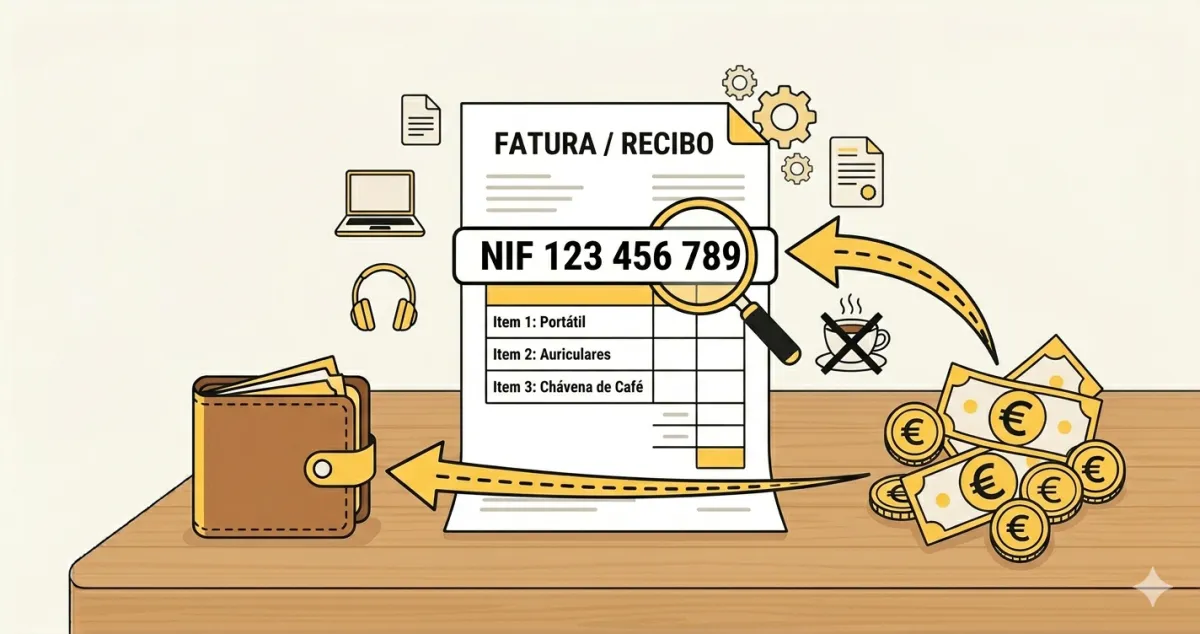
⚠️ Warning: The most common mistake? Thinking that invoices without the client’s tax number “don’t count”. THEY ALL COUNT. The AT sees everything that goes through the e-invoice system, with or without the client’s tax number.
What Happens in an Audit
It’s usually not the monster you imagine:
Rui, a freelance programmer, went through this. He got the notification, panicked, but then saw it was just a €200 discrepancy on one invoice. He explained, paid the difference, end of story.
How to Protect Yourself (Without Stress)
1. Always Invoice Everything
No exceptions. That €50 job for your cousin? Invoice it. The €100 website for the corner bakery? Invoice it. On the simplified regime, 75% of what you invoice for services is taxable - the rest is your assumed expenses.
2. Keep Everything Organised
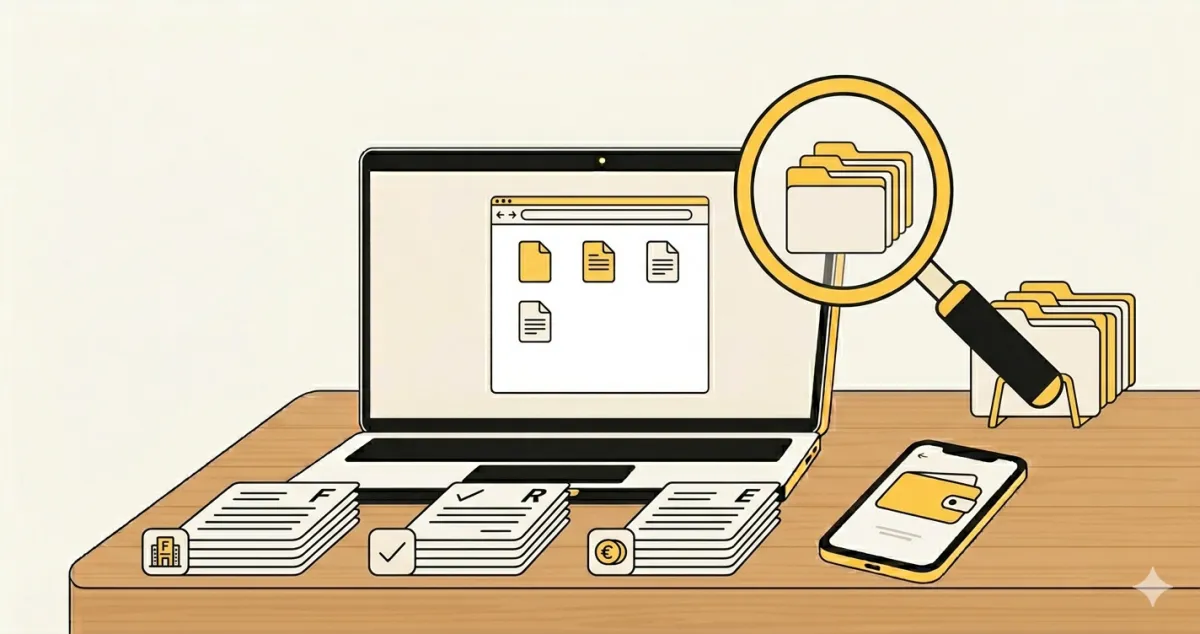
Issued invoices, expense invoices, bank statements - all saved and organised by category, in digital format.
3. Don’t Invent Expenses
On the simplified regime you have the coefficient that already assumes expenses. You don’t need to invent anything. If you have real higher expenses, switch to the organised accounting regime.
4. Always Declare on Time
Quarterly VAT and Social Security declarations have strict deadlines. One delay = guaranteed fine. Use good accounting software to get deadline reminders or automate these submissions.
5. Be Careful with Foreign Clients
If you provide services to EU companies, you need the quarterly Recapitulative declaration. Many people forget this one and end up with a fine. Check whether your accounting software supports automatic submission of this declaration.
The Reality in Two Paths
- Received half his payments in cash
- Only invoiced the other half
- Thought he was saving on taxes
- AT cross-referenced gym data
- Paid what he owed + interest + fine
- 5 years as a freelance translator
- Always issued green receipts for everything
- Always fully declared
- Invoices €1,200–€1,800/month
- Zero audits. Zero problems.
The Secret Is Prevention
Ultimately, the best protection against audits is not giving reasons for them. And if it happens? With everything organised, you just explain and move on.
André had an audit because he switched from programmer to consultant and his turnover rose sharply in one year. He showed the new contracts, explained the change, case closed.
And if there’s an error in a declaration? The Tax Authority always notifies you first and gives you time to correct things before applying fines. Always act within the deadline and you’re protected.
✅ In summary - 3 points
-
The AT focuses on the big players - If you’re a normal freelancer with modest turnover and everything in order, relax
-
What triggers their alerts - Sudden drops in income, expenses greater than revenue for several years, and discrepancies between the e-invoice system and your declarations
-
The best defence - Always invoice everything, keep organised records, and submit declarations on time. FIZ (Auto Pro plan) automates quarterly declarations and includes a Tax Shield up to €500 if something goes wrong.
At the end of the day, working for yourself already has enough stress. Being afraid of the Tax Authority shouldn’t be one of them.