
I was at the café with Miguel when he dropped the bombshell: “I left the company and now I take home more as an independent worker.” I nearly choked on my coffee.
He explained: when he was earning €1,500 gross at the company, he took home about €1,100. The company was paying nearly €1,850 in total (including employer Social Security). Now, invoicing the same amount on green receipts, he keeps more money. It seemed impossible - but the numbers don’t lie.
How Is It Possible to Pay Less Tax as a Freelancer?
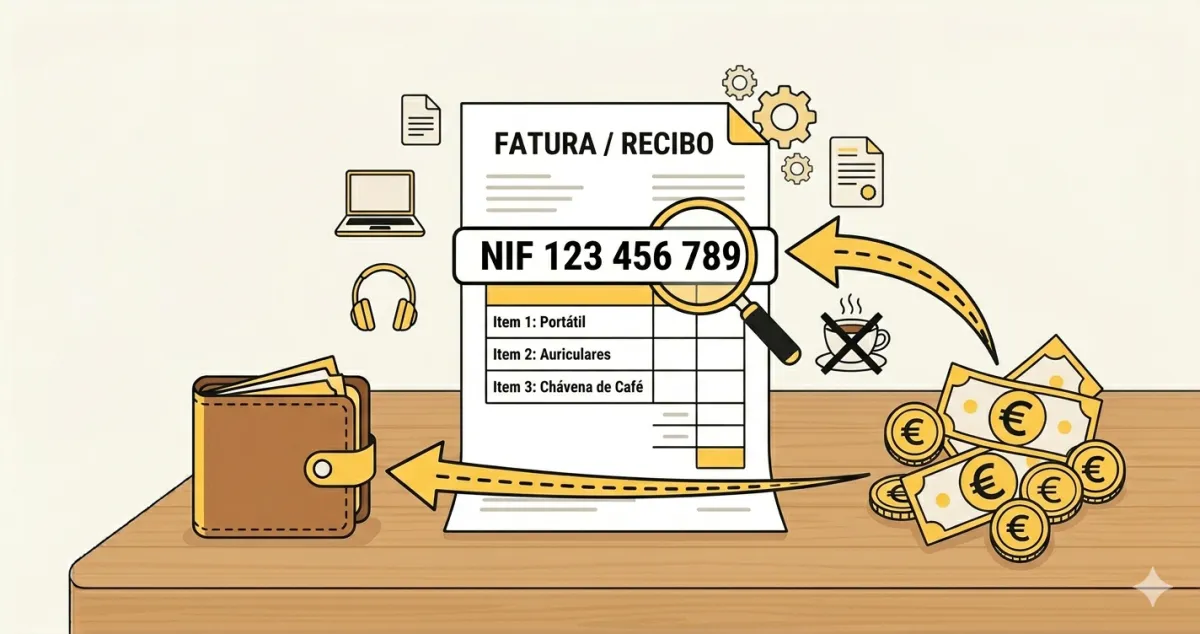
The magic is in the simplified regime. When you provide services, the government assumes you have 25% in professional expenses. You only pay IRS on 75% of what you invoice.
Simple calculation at €1,500/month:
- The government considers €375 to be expenses (25%)
- You only pay IRS on €1,125
And in the first year? Even better - you’re exempt from Social Security. Twelve months without that cost.
The Real Numbers: Employee vs. Independent
Note: Approximate figures for the simplified regime, single with no dependants. Your situation may vary.
The First Year Is Always the Best
Sara, a graphic designer, made the most of her first year. She left the agency where she worked and kept the same clients as a freelancer.
“In the first year I saved a lot,” she says. “Without Social Security to pay, I managed to save up for new equipment and still had enough left over for a holiday in the Algarve.”
In the second year you start paying Social Security (~€225/month at €1,500 invoicing), but you still take home more than as an employee. The advantage narrows, but it stays positive.
The Advantages Nobody Talks About
Beyond taxes, being independent has other financial benefits:
The Disadvantages You Need to Know
I won’t paint only the rosy side. Being independent has its challenges:
- No paid holidays - when you’re on holiday, you don’t invoice
- No bonuses - Christmas and holiday pay you need to save yourself
- Full responsibility - you must submit the quarterly VAT declaration (every 3 months, if you invoice above €15,000), the quarterly Social Security declaration (every 3 months) and the annual IRS declaration (once a year)
Who Benefits From Going Independent?
Bruno, a marketing consultant, sums it up well: “It’s worth it if you can consistently invoice above €1,200 per month. Below that, salaried employment gives more security.”
Factors to consider:
- Do you have guaranteed clients?
- Can you save for leaner months?
- Do you value flexibility over stability?
And when the business grows to the point where someone tells you “you should open a company”, run the numbers first: Recibos verdes or Lda: when is it worth opening a company?
In Summary
-
You take home more than as an employee - in year 1 and beyond - in year 1 the difference is larger (no SS). From year 2, with SS included, you still come out ~€60/month ahead of an equivalent salary.
-
Simplified regime = 75% taxable - 25% are automatic expenses. No paperwork, no proof needed.
-
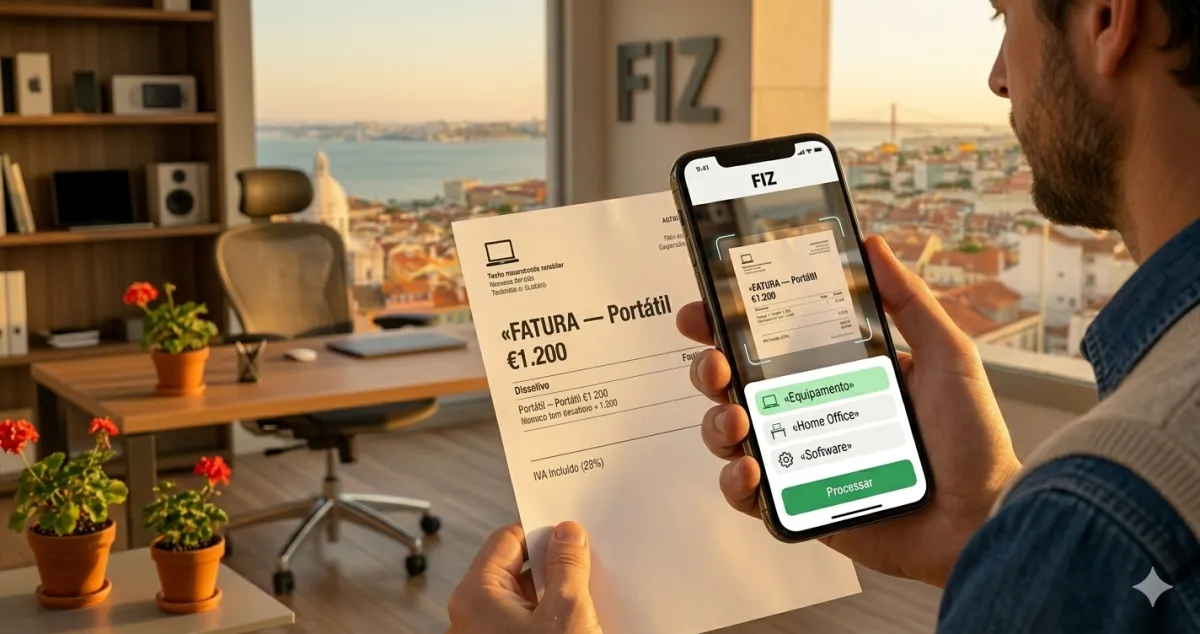
The “complicated” part of tax obligations is solved by automation - FIZ submits your quarterly declarations for you and the Tax Shield protects you from fines up to €500 (Auto Pro plan).