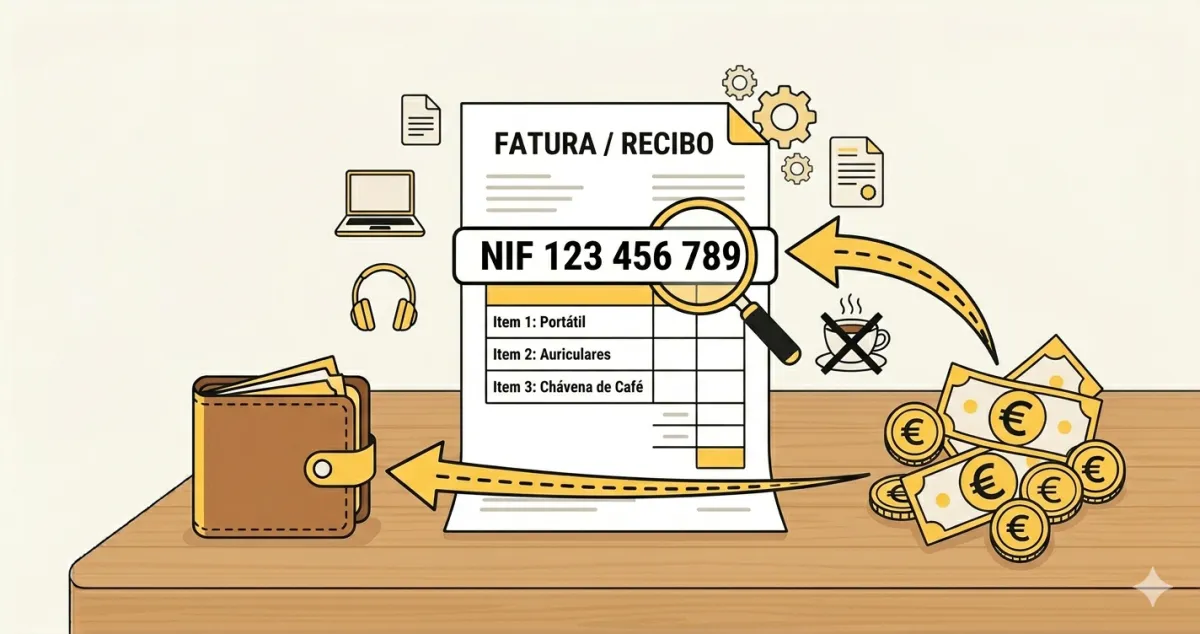

You’re in a meeting with Sofia, owner of a shop in Porto. You’ve presented your quote for managing her social media for three months. She likes it, agrees to the price — but then drops the bomb: “Look, I’ll pay you in cash and you don’t need to issue a receipt. Works better for both of us.”
Your brain freezes. You need the money, you don’t want to lose the client — but you know working without a receipt is risky.
This happens every day in Portugal. Let’s talk about it plainly.
Why do clients ask for this?
Sofia probably isn’t a bad person. In her mind, she’s doing you a favour. “If you don’t issue a receipt, you don’t pay tax on this” — that’s what she thinks.
Other common reasons:
- The client doesn’t want to declare the expense
- They think they’ll save on VAT (even when you’re exempt)
- They have cash at home they want to spend
- They simply don’t understand the consequences
The real risks
Working without a receipt means undeclared income. And the consequences can be serious.
For you:
- Significant fines on the undeclared amount
- Interest on unpaid taxes
- Inability to evidence income for mortgages, rental contracts or visas
- Constant anxiety about being caught
For the client:
- They can’t deduct the expense in their business
- Fines if they’re caught
- No legal protection if there are problems with the work
⚠️ Note: Even if you’re VAT-exempt, you must always issue a receipt. VAT exemption means you don’t charge VAT — it doesn’t mean you work without documents.
The hidden cost
Ana earns €1,000 per month “off the books”:
- That income doesn’t count towards her pension
- She can’t show it to the bank for a loan
- She can’t use it to rent a flat
- She lives with constant anxiety about being found out
In the end, what she saves in taxes she loses in rights and peace of mind.
How to explain it to the client (without losing the work)
The key is to frame the benefits for the client, not just your own concerns.
A script that works:
“I understand the suggestion, but issuing a receipt protects us both. You get a legal document for the service — you can even deduct it as a business expense. And I keep everything in order with the tax authority. I can issue the invoice right now on my phone and send it via WhatsApp.”
If the client argues it “costs more”:
- If you’re VAT-exempt: the price is exactly the same
- If you charge VAT: remind them it’s a tax the client (as a business) can deduct
Make the process simple
The best way to avoid this conversation is to make invoicing so easy the client never questions it.
Bruno, a consultant, changed his approach completely. Instead of waiting for the client to suggest no receipt, he takes the initiative:
“At the end of the work, I’ll send you the invoice via WhatsApp. Do you need any specific information included?”
Simple. Direct. Professional. And he never has that uncomfortable conversation again.
What about private individuals?
Many freelancers assume private clients don’t want receipts. It’s a mistake. Pedro, a personal trainer, discovered that many private clients actually prefer having a receipt — some have health insurance that reimburses training sessions, or they simply want proof of payment.
Always issue a receipt. It’s the professional standard — and it protects you.
Note that the problem is never the cash itself: receiving banknotes is legal within the limits — four numbers worth knowing. The problem is the “no receipt” part.
✅ In summary
-
Working without a receipt is always a bad idea. The risks — fines, loss of rights, stress — never outweigh what you think you’re saving in the short term.
-
Explain the benefits to the client. Legal protection, the ability to deduct expenses, a transparent professional relationship. Most people understand when you explain it clearly.
-
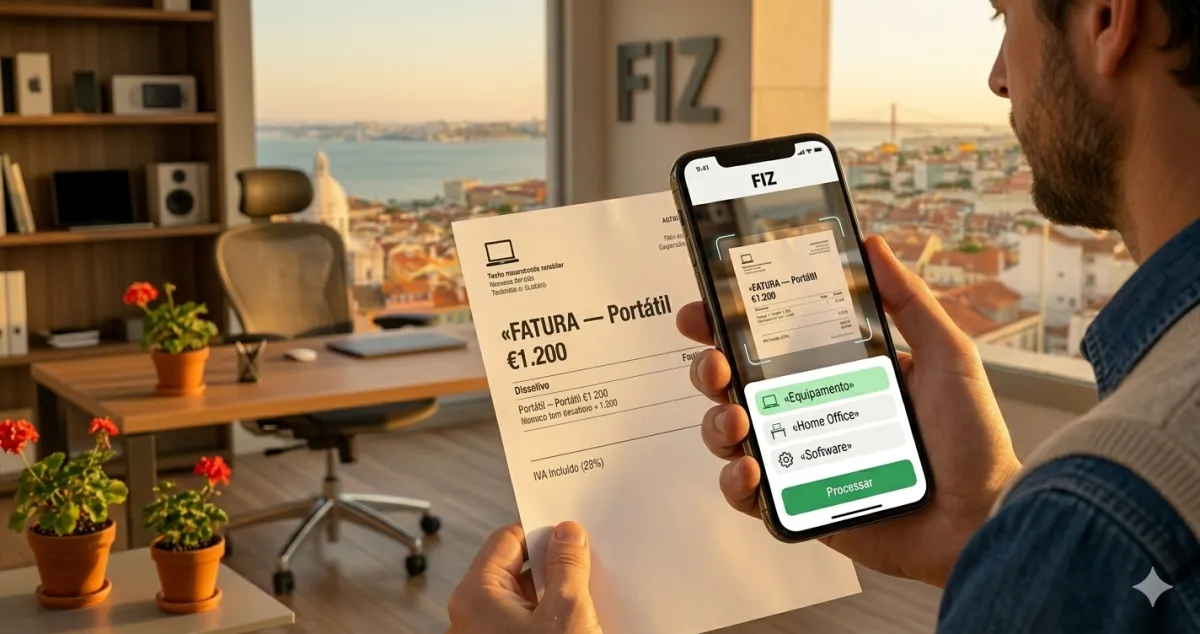
With FIZ invoicing is so simple the conversation never comes up — you issue in seconds, send via WhatsApp, and the client has the document before they leave the meeting.